

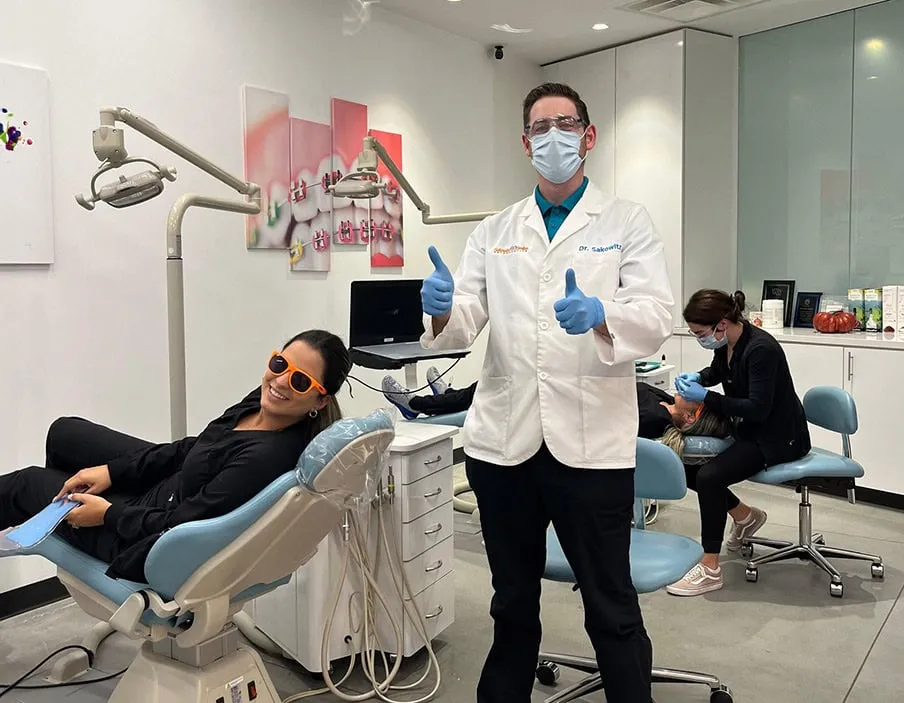
When choosing an orthodontist in Winter Garden, look for board certification from the American Board of Orthodontics, AAO membership, modern technology like digital scanners, flexible treatment options, transparent financing, and a team that communicates clearly. The right fit blends clinical skill with a welcoming office culture you'll enjoy visiting throughout treatment.
What Is an Orthodontist and Why Does Choosing the Right One Matter?
Choosing the right orthodontist is one of the most important decisions you'll make for your smile. A board-certified orthodontist completes two to three years of specialty training beyond dental school, focusing exclusively on tooth alignment, bite correction, and jaw development. That depth matters. Orthodontic treatment typically spans one to three years, and the relationship you build with your orthodontist directly impacts your results, comfort, and long-term oral health.
Unlike general dentists who handle a broad range of dental needs, orthodontists dedicate their entire practice to transforming smiles. They understand the mechanics of how teeth move, how jaws grow, and how to plan treatment that lasts a lifetime. When you find the right fit in the Winter Garden area, you're not just getting straighter teeth. You're investing in your best self.
How to Evaluate an Orthodontist: A Step-by-Step Approach
Finding an orthodontist you trust takes a bit of research, but the effort pays off, especially when you're choosing someone close to home in Winter Garden. Here's how to approach your search:
-
Check credentials and board certification. Look for certification by the American Board of Orthodontics. This credential means your orthodontist has demonstrated advanced knowledge and skill beyond the minimum requirements for practice.
-
Read patient reviews and testimonials. Real patient experiences reveal a lot about office culture, communication style, and treatment outcomes. Look for patterns in feedback rather than focusing on a single review.
-
Browse before-and-after galleries. These photos show the types of cases a practice handles and give you a realistic sense of what's possible for your own smile.
-
Schedule a free consult. Many practices offer complimentary visits so you can meet the team, ask questions, and see if the office feels right for you.
-
Tour the office and meet the clinical team. Cleanliness, organization, and how the team interacts with patients all matter. A warm, welcoming environment makes a difference over months of treatment.
-
Compare treatment plans and technology. Ask about the tools and techniques available. Modern technology like digital scanners and remote monitoring can make treatment more comfortable and efficient.
-
Evaluate communication style. Does the orthodontist take time to explain your options? Do you feel heard? A good orthodontist educates you about your treatment rather than rushing through visits.
Check credentials and board certification. Look for certification by the American Board of Orthodontics. This credential means your orthodontist has demonstrated advanced knowledge and skill beyond the minimum requirements for practice.
Read patient reviews and testimonials. Real patient experiences reveal a lot about office culture, communication style, and treatment outcomes. Look for patterns in feedback rather than focusing on a single review.
Browse before-and-after galleries. These photos show the types of cases a practice handles and give you a realistic sense of what's possible for your own smile.
Schedule a free consult. Many practices offer complimentary visits so you can meet the team, ask questions, and see if the office feels right for you.
Tour the office and meet the clinical team. Cleanliness, organization, and how the team interacts with patients all matter. A warm, welcoming environment makes a difference over months of treatment.
Compare treatment plans and technology. Ask about the tools and techniques available. Modern technology like digital scanners and remote monitoring can make treatment more comfortable and efficient.
Evaluate communication style. Does the orthodontist take time to explain your options? Do you feel heard? A good orthodontist educates you about your treatment rather than rushing through visits.
What Qualities Should I Look for in a Winter Garden Orthodontist?
Not all orthodontic practices are alike. Here are the qualities that set great orthodontists apart:
What Is Board Certification and Why Does It Matter?
Board certification by the American Board of Orthodontics represents a voluntary focus on quality. Only orthodontists who pass rigorous written and clinical examinations earn this distinction. It signals that your provider holds themselves to a higher standard of care and ongoing learning.
Why Do Professional Memberships Matter?
Membership in the American Association of Orthodontists (AAO) reflects ongoing education and adherence to ethical guidelines. AAO members stay current with the latest research and techniques.
What Modern Technology Should Your Orthodontist Use?
Look for practices that invest in digital scanners, 3D imaging, and tools like DentalMonitoring for remote check-ins. These technologies mean fewer office visits, no goopy impressions, and a more comfortable experience from your first visit through your last. You get clearer answers about your treatment and more time back in your day.
What Treatment Options Should Be Available?
The best orthodontists offer multiple treatment paths, from traditional braces to Invisalign and ceramic options. This flexibility ensures your treatment plan fits your lifestyle and goals.
What Does Simple & Affordable Financing Look Like?
Orthodontic treatment is an investment. Practices that offer 0% financing, low down payments, and clear costs help you plan without surprises. Look for in-house options that let you start with a modest down payment and predictable monthly amounts, so the cost feels manageable from day one.
What Does a Strong Reputation Tell You?
Patient reviews, local awards, and word-of-mouth referrals all point to a practice that delivers results. Community recognition and consistent five-star feedback reflect a team patients genuinely enjoy.
Orthodontist vs. General Dentist: What's the Difference?
| Factor | Orthodontist | General Dentist |
|---|---|---|
| Training | 2-3 years specialty residency after dental school | 4 years dental school |
| Focus | Exclusively tooth alignment, bite correction, jaw development | Broad range of dental services |
| Case Volume | High volume of orthodontic cases annually | Limited orthodontic experience |
| Technology | Alignment-specific tools and software | General dental equipment |
| Complex Cases | Trained to handle difficult malocclusions, surgical cases | May refer complex cases to specialists |
General dentists provide essential care, including routine cleanings, exams, and overall oral health maintenance. Some offer basic orthodontic services. Orthodontists, on the other hand, bring focused training that pays off when tooth movement and bite correction get complicated.
According to the AAO, orthodontists complete of additional specialty training beyond dental school. That depth of experience means they've seen a wider variety of cases and developed refined skills for predicting how teeth will move over time. This focused training is also why board-certified orthodontists are often the right choice when alignment or jaw concerns extend beyond simple cosmetic changes.
If your case involves significant crowding, bite concerns, or jaw alignment needs, a board-certified orthodontist offers the specialized knowledge you need.
Cost Factors When Choosing an Orthodontist
Orthodontic treatment costs vary based on several factors. Understanding what drives the numbers gives you a clearer picture before you commit.
| Cost Factor | Impact on Price |
|---|---|
| Treatment Complexity | More involved alignment or bite cases require longer treatment |
| Appliance Type | Clear aligners and ceramic braces typically cost more than metal braces |
| Treatment Length | Longer treatment means more visits and adjustments |
| Included Services | Some practices bundle retainers and follow-up visits; others charge separately |
| Geographic Location | Costs vary by region and local market |
What Does Simple & Affordable Treatment Include?
Look for practices that offer:
- In-house financing with 0% interest options
- Low down payments to get started without a large upfront cost
- Monthly payment plans that fit your budget
- Insurance coordination to maximize your benefits
- FSA/HSA compatibility for tax-advantaged savings
Be cautious of pricing that seems unusually low. Quality orthodontic care requires time, expertise, and proper follow-through. Cutting corners on treatment can lead to poor results or the need for retreatment down the road.
What Questions Should You Ask About Cost?
Before signing on, ask the team to walk you through the total cost in detail. Are retainers included? What happens if treatment takes longer than expected? Is there a fee for replacement aligners or broken brackets? Clear answers up front prevent surprises later and help you compare practices on equal footing.
Who Should See an Orthodontist?
Orthodontic treatment benefits patients of all ages. Here's who should consider scheduling an evaluation:
-
Children age 7 and older. The AAO recommends a first orthodontic evaluation by age 7. At this age, enough permanent teeth have emerged for an orthodontist to spot developing concerns like crossbites, crowding, or jaw growth concerns. Early evaluation doesn't always mean early treatment, but it allows your orthodontist to monitor growth and step in at the ideal time.
-
Teens with alignment concerns. Crowding, spacing, overbites, and underbites are common during adolescence. Teen patients often benefit from treatment while their jaws are still developing.
-
Adults seeking discreet options. Clear aligners like Invisalign make orthodontic treatment practical for working professionals and anyone who prefers a subtle approach. It's never too late to embrace your best smile, and many Winter Garden adults are choosing treatment well into their 40s, 50s, and beyond.
-
Patients requiring two-phase treatment. Some children benefit from early intervention followed by a second phase of treatment during adolescence. This approach requires careful specialist planning, which is why families across Winter Garden often turn to a board-certified team like Sakowitz Smiles for guidance.
-
Surgical orthodontic candidates. Significant jaw discrepancies sometimes call for a combined surgical and orthodontic approach. Board-certified orthodontists work closely with oral surgeons to plan these complex cases.
Children age 7 and older. The AAO recommends a first orthodontic evaluation by age 7. At this age, enough permanent teeth have emerged for an orthodontist to spot developing concerns like crossbites, crowding, or jaw growth concerns. Early evaluation doesn't always mean early treatment, but it allows your orthodontist to monitor growth and step in at the ideal time.
Teens with alignment concerns. Crowding, spacing, overbites, and underbites are common during adolescence. Teen patients often benefit from treatment while their jaws are still developing.
Adults seeking discreet options. Clear aligners like Invisalign make orthodontic treatment practical for working professionals and anyone who prefers a subtle approach. It's never too late to embrace your best smile, and many Winter Garden adults are choosing treatment well into their 40s, 50s, and beyond.
Patients requiring two-phase treatment. Some children benefit from early intervention followed by a second phase of treatment during adolescence. This approach requires careful specialist planning, which is why families across Winter Garden often turn to a board-certified team like Sakowitz Smiles for guidance.
Surgical orthodontic candidates. Significant jaw discrepancies sometimes call for a combined surgical and orthodontic approach. Board-certified orthodontists work closely with oral surgeons to plan these complex cases.
Frequently Asked Questions About Choosing an Orthodontist
How do I verify an orthodontist's credentials?
Visit the American Board of Orthodontics website to search for board-certified orthodontists near you. You can also check your state dental board for license verification. Ask the practice directly about credentials during your free consult.
What questions should I ask at my first consult?
Ask about the orthodontist's experience with cases like yours, recommended treatment options, estimated treatment time, total cost including retainers, and what happens if complications arise. A good practice welcomes your questions and gives clear, honest answers.
Is a more expensive orthodontist always better?
Not necessarily. Price alone doesn't indicate quality. Focus on credentials, experience, technology, and how comfortable you feel with the team. The best value comes from an orthodontist who delivers excellent results with clear costs and genuine care.
How important are patient reviews when choosing?
Reviews offer valuable insight into real patient experiences. Look for consistent themes across multiple reviews rather than fixating on outliers. Pay attention to comments about communication, wait times, results, and how the practice handles concerns.
Can I switch orthodontists mid-treatment?
Yes, though it can be complicated. If you're unhappy with your current care or need to relocate, another orthodontist can typically continue your treatment. Expect to pay additional fees, and know the new provider will need your records to proceed. Winter Garden families relocating from out of state often ask Sakowitz Smiles about this exact scenario.
What red flags should I watch for?
Be wary of practices that pressure you into immediate decisions, quote prices without examining you, have consistently poor reviews, or seem disorganized. Trust your instincts. If something feels off during your consult, keep looking until you find the right team for you.