

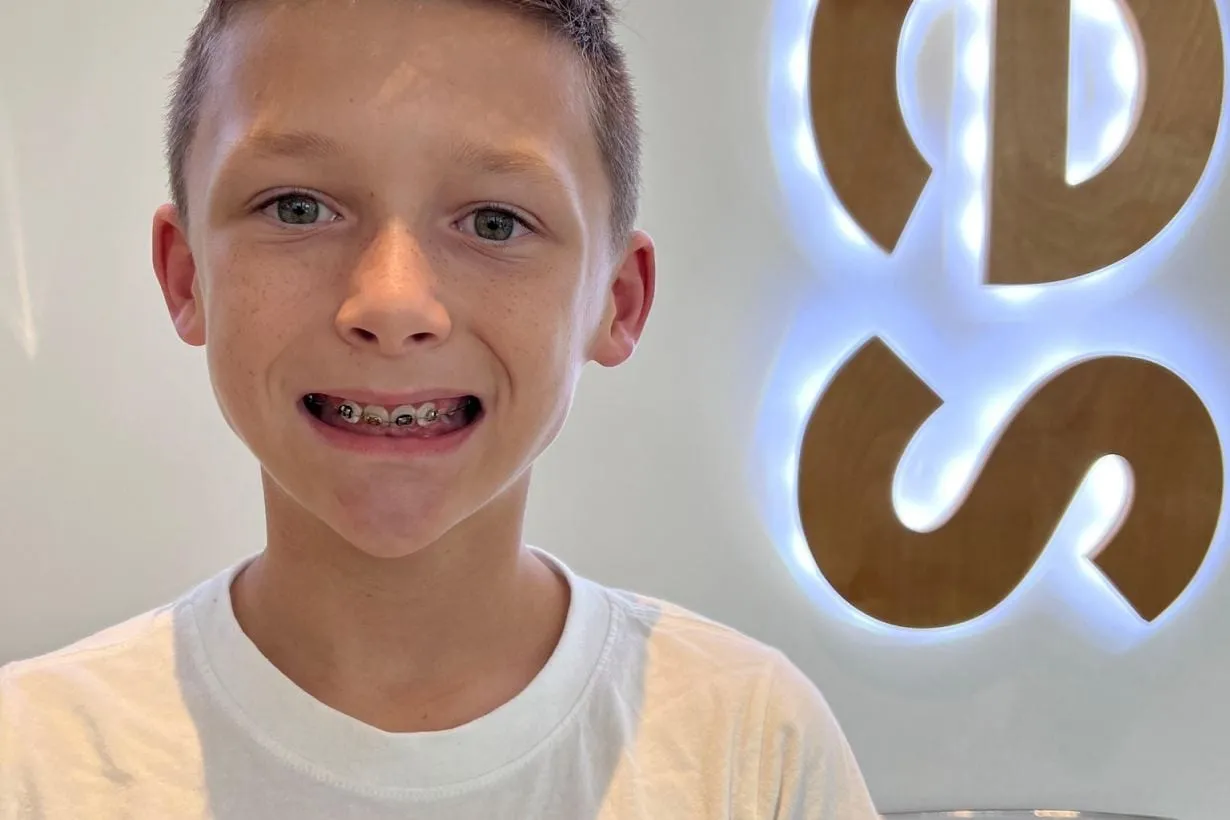
Braces for Kids in Orlando, FL
As a parent, you want to give your child every advantage — and that includes setting them up for a healthy, confident smile. For many families in Orlando, braces are a key part of that journey. But knowing when to start orthodontic care and what to expect can feel overwhelming.
Whether your child is just starting to lose baby teeth or already showing signs of alignment issues, this guide will walk you through the essentials of braces for kids — including when to see an orthodontist, what treatment looks like, and how it can support long-term dental health.
Why Braces Are Important for Kids
Braces aren’t just about straightening teeth for a better-looking smile — they also play a crucial role in improving oral health, function, and confidence. For kids, orthodontic treatment can:
- Correct bite alignment — Preventing jaw pain, uneven wear, and future dental issues
- Create space — Helping permanent teeth come in properly by guiding jaw development
- Improve oral hygiene — Making it easier to brush and floss once teeth are aligned
- Address speech or chewing issues — Caused by misaligned teeth or jaw positioning
- Prevent future complications — Reducing the need for more complex treatment later
Early orthodontic care can be especially effective because a child’s jaw and facial bones are still developing. That flexibility allows for more efficient, lasting results.
When Should My Child See an Orthodontist?
The American Association of Orthodontists recommends that children receive their first orthodontic evaluation by age 7. At this stage, most kids have a mix of baby and adult teeth, and an orthodontist can spot subtle issues with growth or alignment — even if braces aren’t needed yet.
Your child may benefit from an early orthodontic visit if you notice:
- Crowded or crooked teeth
- Difficulty biting or chewing
- Early or late loss of baby teeth
- Prolonged thumb-sucking or pacifier use
- Speech difficulties
- Teeth that protrude or don’t meet properly
- Mouth breathing
An initial evaluation doesn’t always lead to immediate treatment. In many cases, your orthodontist will monitor growth and recommend the ideal time to begin braces if needed.
What Is Phase 1 Orthodontic Treatment?
In some cases, early intervention — called Phase 1 treatment — may be recommended for children ages 6 to 10. This phase is designed to correct specific problems that could worsen over time or interfere with normal development.
Common goals of Phase 1 treatment include:
- Guiding jaw growth to improve bite alignment
- Creating space for incoming adult teeth
- Reducing the risk of tooth trauma (especially for protruding front teeth)
- Stopping harmful habits like thumb-sucking
- Avoiding the need for tooth extractions later on
Phase 1 treatment might involve partial braces, expanders, space maintainers, or other appliances. After this phase, there’s often a resting period before beginning full braces (Phase 2) in the teen years.
What Age Do Most Kids Get Braces?
While every child is different, the most common age for full braces (Phase 2 treatment) is between 11 and 14 — after most permanent teeth have come in. At this point, the orthodontist can address alignment, spacing, and bite issues more completely.
Starting braces during this window often results in:
- Faster, more predictable treatment
- Better long-term stability
- Improved self-esteem during important developmental years
Some kids may be ready slightly earlier or later, depending on their specific needs. That’s why regular check-ins with an orthodontist after age 7 can help determine the best timing.
What Types of Braces Are Available for Kids?
Today’s braces are more comfortable, customizable, and efficient than ever before. Kids can often choose between a few different options, depending on their orthodontic needs and preferences.
Common braces options for kids include:
- Metal braces — Traditional brackets and wires, often with colorful bands for a fun, personalized touch
- Ceramic braces — Clear or tooth-colored brackets that blend in for a more discreet appearance
- Self-ligating braces — Use a sliding mechanism instead of rubber bands, which may reduce friction and speed up treatment
- Clear aligners (for older children) — Removable trays for mild cases, though these require a high level of responsibility
Metal braces remain the most common and effective choice for kids, especially for more complex orthodontic issues.
What to Expect During Treatment
Braces for kids typically involve several stages, starting with a consultation and continuing through active treatment and retention.
Here’s what the process usually looks like:
- Consultation and evaluation — The orthodontist examines your child’s teeth and bite, takes X-rays or digital scans, and discusses treatment options.
- Braces placement — Brackets are attached to the teeth, and an archwire is threaded to guide movement.
- Adjustments — Every 4–8 weeks, your child will return for adjustments to keep treatment progressing.
- Oral care and maintenance — Your child will need to brush carefully, avoid certain foods, and use tools like floss threaders.
- Treatment duration — Most kids wear braces for 18 to 24 months, though this can vary.
- Retention phase — After braces are removed, a retainer keeps the new smile in place.
Throughout the process, your orthodontist will monitor progress and make sure your child stays on track toward a healthy, aligned smile.
How Can Parents Help?
Orthodontic success isn’t just about the braces — it’s also about support at home. Parents play a big role in helping kids adjust to treatment and maintain good habits.
Ways parents can support their child’s braces journey:
- Encourage consistent brushing and flossing
- Help them avoid sticky, hard, or sugary foods
- Keep up with regular orthodontic appointments
- Offer positive reinforcement and celebrate milestones
- Ensure retainers are worn as directed after braces come off
With the right guidance and encouragement, most kids adapt quickly to life with braces and feel proud of their progress.
A Confident Smile Starts Early
Braces are more than just a rite of passage — they’re a powerful tool for building oral health, function, and confidence in growing kids. By understanding when to start treatment and what to expect, you can make informed decisions that set your child up for success.
Early evaluations, personalized treatment, and strong support all play a role in creating a smile that lasts a lifetime.
Schedule an Orthodontic Evaluation in Orlando
If you think your child may need braces — or you simply want peace of mind about their dental development — the best next step is a professional evaluation.
At Sakowitz Smiles, we offer early orthodontic assessments and braces for kids across Lake Nona, Dr. Phillips, and Winter Garden. Our experienced team creates a welcoming, kid-friendly environment and treatment plans tailored to your child’s needs.
Schedule a free consultation today and take the first step toward a healthy, confident smile for your child.