


Why More Patients Are Choosing Invisalign in Orlando, FL for a Subtle Smile Transformation
Embrace Your Best Self
Dr. Scott Sakowitz
November 25, 2025
Why More Patients Are Choosing Invisalign
A straighter smile doesn’t have to mean a mouth full of metal. For many teens and adults in Orlando, Invisalign has become the go-to solution for improving their smile without disrupting their lifestyle. Whether you’re attending classes, meeting clients, or managing family life, Invisalign offers a flexible and discreet approach to orthodontic care.
In this post, we’ll explore why Invisalign is growing in popularity, what sets it apart from traditional braces, and what you should know before deciding if it’s the right fit for your smile goals.
What Is Invisalign?
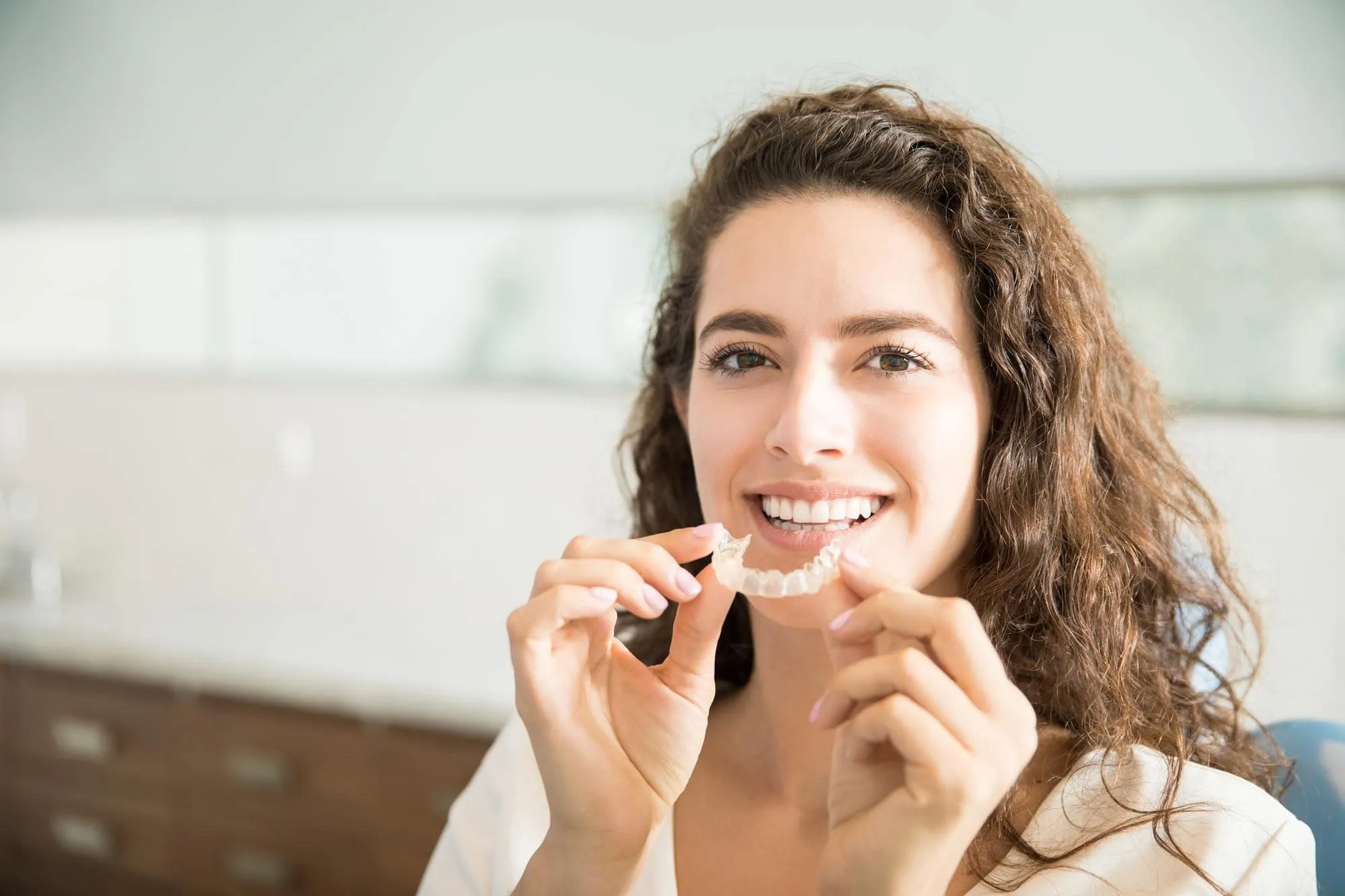
Invisalign is a type of orthodontic treatment that uses a series of custom-made, clear plastic aligners to gradually shift teeth into their desired position. These aligners are made from a smooth, BPA-free material and are designed to fit snugly over your teeth.
Unlike traditional braces, Invisalign does not involve brackets, wires, or adjustments in the same way. Instead, patients receive new sets of aligners every one to two weeks, each one bringing them closer to their ideal smile.
The treatment process begins with a digital scan and treatment plan, allowing both the provider and patient to preview how the teeth will move over time. From there, the aligners are fabricated specifically for your case and worn for 20–22 hours per day.
Why Invisalign Is So Popular in Orlando
Invisalign has become a leading choice for patients across Orlando — from Lake Nona to Winter Garden — for good reason. The blend of convenience, aesthetics, and flexibility fits the needs of a wide range of people, especially those who want results without drawing attention to their orthodontic journey.
Here’s why more patients are choosing Invisalign for subtle smile transformations:
Discreet appearance — The clear design makes Invisalign virtually invisible, allowing wearers to smile and speak confidently.
Lifestyle flexibility — Aligners can be removed for meals, brushing, photos, and special occasions, making it easy to maintain routines.
Fewer office visits — With no wires to tighten, patients typically have fewer in-office adjustments compared to traditional braces.
Comfort — Smooth plastic aligners are generally more comfortable than brackets or wires, reducing the likelihood of irritation.
Predictable results — Digital treatment planning helps patients visualize their results before treatment even begins.
These features appeal to adults balancing work schedules, teens involved in extracurriculars, and anyone who prefers a low-profile approach to orthodontics.
Who Is Invisalign Right For?
While Invisalign is a great option for many people, it’s not necessarily right for every orthodontic case. The best candidates are those with mild to moderate alignment issues, strong oral hygiene habits, and the commitment to wear their aligners as directed.
Invisalign may be suitable for people dealing with the following:
Crooked or overlapping teeth — Where teeth are slightly out of line.
Gaps between teeth — Whether from genetics or shifting over time.
Overbite or underbite — Mild to moderate bite misalignment.
Crossbite — When some upper teeth sit inside the lower teeth.
Relapse — Teeth that have shifted after previous orthodontic treatment.
For more complex cases, such as severe bite issues or significant crowding, traditional braces or a hybrid treatment plan may be more effective.
What to Expect During Invisalign Treatment
Understanding the process can help set expectations and ease any concerns. Invisalign is designed to fit into your daily life with minimal disruption, but it does require consistency and care to work effectively.
Here’s what a typical treatment timeline might look like:
Initial consultation — A digital scan or impression is taken to assess your smile and determine candidacy.
Customized treatment plan — 3D imaging software maps out the movement of your teeth and creates a visual roadmap.
Aligner delivery — Your first set of aligners is provided, along with instructions on how to wear and care for them.
Regular changes — You’ll switch to a new aligner every 1–2 weeks, depending on your treatment plan.
Check-ins — Occasional visits (or virtual appointments) ensure progress is on track and allow for adjustments if needed.
Retention phase — After active treatment, you’ll wear a retainer to keep your new smile in place.
Most Invisalign cases last between 12 and 18 months, though some are shorter depending on the severity of the alignment concerns.
Invisalign vs. Traditional Braces: A Comparison
Both Invisalign and traditional braces are effective tools, but each comes with its own set of benefits. Here’s how they compare:
Feature
Invisalign
Traditional Braces
Appearance
Nearly invisible
Visible metal or ceramic brackets
Removability
Removable
Fixed to teeth
Comfort
Smooth plastic — less irritation
May cause soreness or poking wires
Food restrictions
Few (remove to eat)
Many (avoid hard, sticky, chewy foods)
Oral hygiene
Easier (remove to brush/floss)
More difficult due to brackets/wires
Appointment frequency
Fewer visits, often faster check-ins
More frequent wire adjustments
Invisalign is often chosen by patients who want discreet, low-maintenance treatment. However, for some complex orthodontic concerns, braces still provide the most controlled and comprehensive results.
Why Invisalign Appeals to Adults and Teens
The versatility of Invisalign makes it a popular option for a wide age range. In Orlando’s active, professional, and family-centered communities, the ability to get orthodontic treatment without changing your lifestyle is a major advantage.
Adults appreciate the subtlety, especially in work or social settings. Invisalign lets them improve their smile without feeling self-conscious during meetings or events.
Teens benefit from the convenience of fewer food restrictions, as well as options like Invisalign Teen, which includes wear indicators and room for erupting molars.
Regardless of age, patients appreciate the freedom Invisalign offers — the ability to eat what you want, smile confidently, and maintain good oral hygiene with ease.
Is Invisalign Worth It?
If subtlety, comfort, and flexibility are high on your priority list, Invisalign is often well worth the investment. Many patients find that the blend of convenience and confidence makes the treatment experience smoother — and the results just as impactful as traditional methods.
Of course, the decision comes down to your specific smile goals and the recommendations of an experienced orthodontist. A consultation can determine if Invisalign is the best path for you or if another treatment option would better suit your needs.
Start Your Smile Journey with Confidence
If you’re exploring Invisalign in the Orlando area, finding a provider who understands your goals is key. From Lake Nona and Dr. Phillips to Winter Garden, patients across Central Florida are turning to Invisalign for a comfortable, modern approach to orthodontics.
At Sakowitz Smiles, we specialize in clear aligner treatment tailored to your lifestyle and needs. With board-certified expertise and locations throughout the Orlando area, our team is here to help you discover a better way to straighten your smile.
Schedule your free consultation today and see if Invisalign is right for you.
tooth, orthodontics, dental braces, align technology, patient, tooth decay, mouth, american association of orthodontists, jaw, clear aligners, dental degree, orthodontic headgear, orthognathic surgery, gums, malocclusion, wire, retainer, palatal expansion, braces appointment, pediatric orthodontist, braces consultation, orthodontist invisalign, orthodontist, orthodontist appointment, the orthodontist, surgery, exam, dental extraction, bracket, hygiene, oral hygiene, oral and maxillofacial surgery, tooth enamel, board certification, molar, crown, american board of orthodontics, orthodontic technology, chewing, smile orthodontics, smile braces, family braces, orthodontist that accept medicaid, adult orthodontist, orthodontist that take medicaid, family orthodontics, my orthodontist, orthodontic treatment, board certified orthodontist, find an orthodontist, orthodontic care, orthodontic practice, best orthodontist, accessibility, crossbite, metal, bruxism, lingual braces, clinic, mouthguard, best smiles orthodontics, dr best orthodontist, best places to get braces, pediatric dental and orthodontics, best smile orthodontics, orthodontist best, top smile orthodontics, great smile orthodontics, good places to get braces, best rated orthodontist, top orthodontist, orthodontist orlando, orthodontist lake nona, lake nona orthodontist, braces orlando, cheap braces orlando, braces orlando florida, best orthodontist in orlando fl, cheap braces orlando fl, lach orthodontics orlando, orlando orthodontics
Frequently Asked Questions
How to find the best orthodontist?
To find the best orthodontist, consider factors like board certification, experience, patient reviews, and technology used. Look for personalized treatment plans, free consultations, affordable financing options, and a welcoming team. Seek referrals from friends or family, check online reviews, and visit the orthodontist's office for a consultation to assess their expertise and environment.
What makes a good orthodontist?
A good orthodontist demonstrates expertise, personalized care, and commitment to patient satisfaction. They offer advanced treatments like braces and Invisalign, prioritize patient comfort, and maintain a welcoming office environment. Good orthodontists prioritize patient education, use cutting-edge technology, and ensure consistent follow-up care for optimal results.
Are orthodontist consultations free?
Yes, orthodontist consultations are free at Sakowitz Smiles. We offer a complimentary consultation to discuss your orthodontic needs and treatment options. Contact us to schedule your free consult today.
Are braces done by an orthodontist?
Yes, braces are typically done by an orthodontist. Orthodontists are specialists in aligning teeth and jaws using braces and other orthodontic treatments. They have the expertise and training to create personalized treatment plans for each patient's unique needs, ensuring the best results.
How to choose an orthodontist?
When choosing an orthodontist, consider factors like board certification, experience, personalized treatment options, and patient reviews. Look for a practice that offers free consultations, affordable payment plans, and advanced technology. Ensure the orthodontist prioritizes patient care and provides a comfortable, welcoming environment.
Are dentists and orthodontists the same thing?
Dentists and orthodontists are not the same. While both work on teeth, dentists focus on overall oral health, including gum care and tooth decay prevention. Orthodontists specialize in aligning teeth and jaws, providing treatments like braces and Invisalign for straightening teeth and correcting bites.
Which orthodontic treatment is best?
The best orthodontic treatment varies based on individual needs. Options like braces and Invisalign offer effective solutions. Consult with an orthodontist to determine the most suitable treatment for your specific case. Consider factors like aesthetics, comfort, and treatment duration when deciding.
How do orthodontists know when to remove braces?
Orthodontists determine when to remove braces based on the individual's treatment plan, progress, and desired outcome. Factors such as tooth alignment, bite correction, and overall oral health guide the decision. Regular check-ups and assessments help orthodontists evaluate when the teeth have reached the desired position for brace removal.
What qualifications define the best orthodontist?
The best orthodontist is typically board-certified, offers personalized treatment plans, uses advanced technology, and prioritizes patient care and comfort. Look for expertise, experience, and a commitment to achieving the best results for each patient.
Are initial orthodontic evaluations typically complimentary?
Yes, initial orthodontic evaluations are typically complimentary. At Sakowitz Smiles, we offer a free consultation to assess your orthodontic needs and discuss treatment options. Dr. Sakowitz personally oversees every visit, ensuring personalized care and attention to detail.
What distinguishes an orthodontist from a dentist?
Orthodontists specialize in aligning teeth and jaws, focusing on bite correction and straightening teeth. They receive additional training beyond dental school to become experts in orthodontic treatment. Dentists, on the other hand, provide general oral health care, including cleanings, fillings, and overall dental health maintenance.
What factors affect orthodontist treatment costs?
Orthodontist treatment costs can be influenced by factors such as the type of braces or aligners used, the complexity of the case, the duration of treatment, any additional procedures required (like surgical orthodontics), and the location of the orthodontic practice. Insurance coverage and payment plans can also impact overall costs.
How often should one visit an orthodontist?
Orthodontic visits typically occur every 4 to 8 weeks, depending on the treatment plan. Regular visits are crucial for adjustments, progress checks, and ensuring the treatment stays on track. Following the orthodontist's recommended schedule helps achieve the desired results efficiently.
Can orthodontists correct all types of malocclusions?
Orthodontists can correct various types of malocclusions, including overbites, underbites, crossbites, and crowded teeth. Treatment options like braces and Invisalign are available for different malocclusion issues, ensuring personalized care for each patient's unique needs. Consulting with an orthodontist can determine the best treatment plan for specific malocclusions.
When should a child first see an orthodontist?
A child should first see an orthodontist by age 7 for an initial evaluation. Early detection of orthodontic issues allows for timely intervention, potentially reducing the need for extensive treatment later. Regular check-ups can monitor growth and development, ensuring optimal oral health.
Do orthodontists offer payment plans for braces?
Yes, orthodontists often offer payment plans for braces. These plans can include options like 0% financing, low down payments, and monthly installment payments to make orthodontic treatment more affordable for patients. It's essential to inquire about payment options during the initial consultation with the orthodontist to find a plan that fits your budget.
What are signs of a skilled orthodontist?
A skilled orthodontist demonstrates expertise through Board Certification, personalized treatment plans, advanced technology utilization, patient-focused care, and positive patient reviews. Look for a doctor who prioritizes patient experience, offers various treatment options, and has a proven track record of successful outcomes.
How long does a typical orthodontic treatment last?
The duration of a typical orthodontic treatment varies depending on individual needs but usually lasts between 18 to 24 months. Factors like the severity of the orthodontic issues, patient compliance, and the type of treatment chosen can influence the length of the treatment. Regular appointments and following the orthodontist's instructions are crucial for successful outcomes.
Are orthodontic treatments painful?
Orthodontic treatments may cause some discomfort or soreness, especially after adjustments. However, this pain is usually mild and temporary. Over-the-counter pain relievers can help manage any discomfort. Modern orthodontic techniques aim to minimize pain and provide a more comfortable experience for patients.
Can orthodontists treat TMJ disorders?
Orthodontists can help with TMJ disorders by providing treatments like braces or Invisalign to correct misalignments that contribute to TMJ issues. They work in conjunction with other healthcare professionals to address the underlying causes of TMJ problems and improve overall jaw function and alignment.
Do orthodontists perform teeth whitening?
Orthodontists typically focus on straightening teeth and jaw alignment rather than performing teeth whitening procedures. However, some orthodontic practices may offer teeth whitening services as an additional treatment option. It's best to consult with your orthodontist or a cosmetic dentist for specific teeth whitening services.
How do orthodontists adjust braces?
Orthodontists adjust braces by tightening wires, changing bands, and making necessary modifications to ensure teeth alignment progresses correctly. These adjustments are typically done during regular appointments every 4-8 weeks, depending on the treatment plan.
Are orthodontists recommendations for retainers mandatory?
Orthodontists typically recommend retainers after braces to maintain teeth alignment. While not mandatory, wearing retainers as advised helps prevent teeth from shifting back. Compliance with retainer wear ensures long-lasting results from orthodontic treatment. Regular follow-ups with the orthodontist help monitor progress and adjust the retainer plan as needed.
What age is optimal for starting orthodontic care?
The optimal age for starting orthodontic care is typically between 7 and 14 years old, during the mixed dentition phase when jaw growth is still occurring. Early intervention can help guide proper tooth alignment and jaw development. However, orthodontic treatment can be beneficial at any age.
Do orthodontists provide clear aligners?
Yes, orthodontists provide clear aligners as an alternative to traditional braces. Clear aligners, such as Invisalign, offer a more aesthetic, hygienic, and comfortable option for orthodontic treatment. Patients can consult with their orthodontist to determine if clear aligners are suitable for their specific needs and goals.
How do I prepare for an orthodontic consultation?
To prepare for an orthodontic consultation, gather relevant dental records, list any concerns or goals, bring insurance information, and be ready to discuss medical history and previous dental work. Prepare questions about treatment options, costs, and timelines to make the most of the consultation.
Are digital scans better for orthodontic diagnosis?
Digital scans are superior for orthodontic diagnosis due to their precision, efficiency, and comfort for patients. They provide detailed 3D images, eliminate the need for messy impressions, and allow for better treatment planning. Digital scans enhance the overall orthodontic experience and lead to more accurate results.
Can orthodontists fix overbites without surgery?
Orthodontists can often fix overbites without surgery using braces, Invisalign, or other orthodontic treatments. These methods gradually shift the teeth and jaw into proper alignment, correcting the overbite over time. It's essential to consult with an orthodontist to determine the best treatment plan for each individual case.
Do orthodontists handle dental emergencies?
Orthodontists typically do not handle dental emergencies related to sudden pain, infections, or trauma. In such cases, it's best to contact a general dentist or seek immediate care at an emergency dental clinic or hospital. Orthodontists focus on long-term teeth alignment and bite correction rather than acute dental issues.
How frequently should retainers be replaced?
Retainers should typically be replaced every 2-3 years to ensure they continue to fit properly and maintain the alignment of your teeth. Regular check-ups with your orthodontist can help determine the condition of your retainers and if replacement is necessary.
sakowitz smiles orthodontics, orthodontics in dr. phillips, dr. phillips orthodontics, invisalign dr. phillips, orthodontics, braces orthodontics, sakowitz smiles, braces in dr. phillips, bay hill braces, invisalign providers, orthodontist offices near me, orthodontist office near me, invisalign bay hill, orthodontist dr. phillips, invisalign orthodontist, invisalign, invisalign in dr. phillips, dr phillips orthodontist, orthodontics in 32819, orthodontics in bay hill, orthodontics in southwest orlando, envisialign, orthodontist in dr. phillips, dr phillips orthodontics, invisaline, orthodontist in 32819, sakowitz orthodontics, sakowitz smiles dr phillips, dentist in dr phillips, invisalign southwest orlando, bracers dental, dr sakowitz, best orthodontist, sakowitz, sakowitz dental, braces dr. phillips, orthodontics in, clear braces in, dr. phillips orthodontist, orthodontist bay hill, orthodontist near me, braces in southwest orlando, invisalign orlando, orthodontics dr. phillips, orthodontics bay hill, orthodontist in bay hill, orthodontist in southwest orlando, braces bay hill, best invisalign, invisalign near me, dr. phillips invisalign, invisalign in bay hill, braces southwest orlando, invisalign provider, braces in bay hill, dr. phillips braces, bay hill invisalign, orthodontist orlando, southwest orlando braces, dr sakowitz orthodontist, orthodontist, orthodontist dr phillips, southwest orlando orthodontist, southwest orlando invisalign, dr. sakowitz, orthodontists, orthodontist southwest orlando, orlando orthodontist, orthodontics southwest orlando, scott sakowitz, dr phillips dental, invisaling, invsilign, doc braces, invisiline, teeth braces, phillips orthodontics, invisalign in southwest orlando, orthodontics for adults, dr phillips dentist, braces for teens, dentist permanent retainer, dentist orlando dr phillips, braces orlando, invisalign doctor phone number, orlando braces, invasalign, orthodontist top, adult braces, orthodontist near me for braces, dentist near me, dentist dr phillips orlando, dentist dr phillips